Must you negotiate with unions before introducing AI?
A new AI tool can change how work is done. In Sweden, co-determination law may then require you to negotiate with the unions before the decision is made. Here is how to prepare, and why an early conversation tends to improve the rollout.
 iSearch
Contents
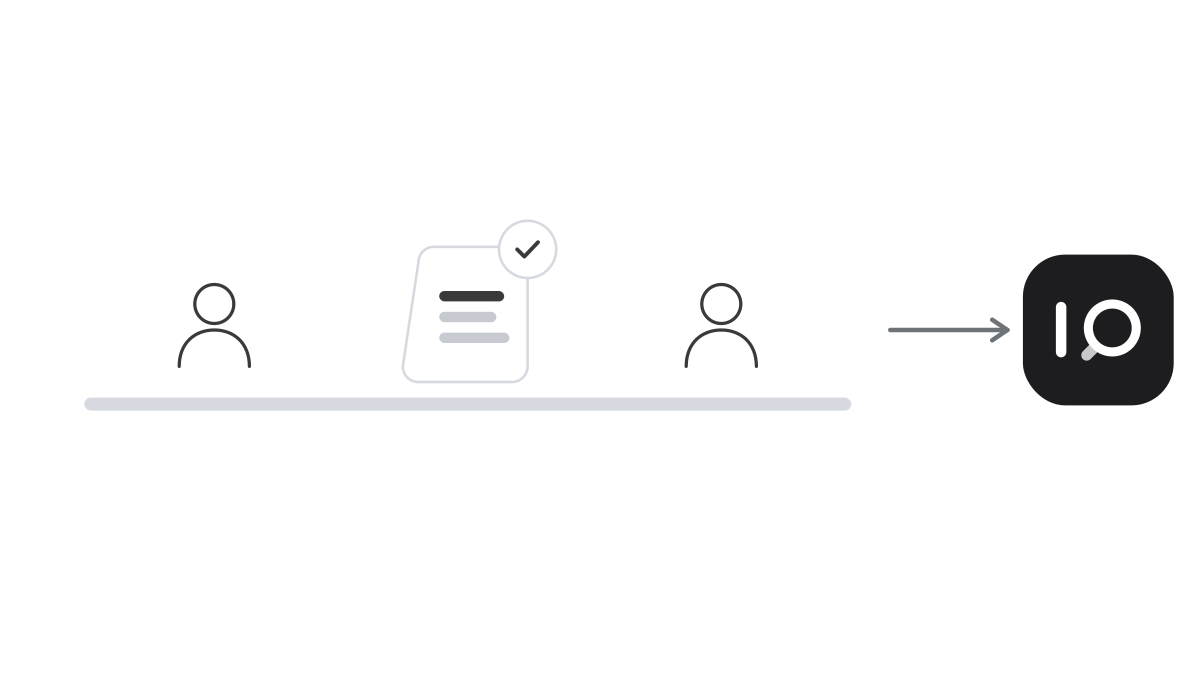
Introducing AI is often treated as a question of technology and security. An AI tool also changes how work is done, what is expected of staff and what is recorded about them. Swedish law sets out how employers must involve the unions before the decision is made.
This article is an overview and not legal advice. How the rules apply to you depends on your collective agreements and on how the tool will be used, so check the question with your employers’ organisation or a lawyer.
What the law says
Under section 11 of the Employment (Co-Determination in the Workplace) Act, known as MBL, an employer bound by a collective agreement must, on its own initiative, negotiate with that union before deciding on a significant change to its operations. The same applies before a significant change to the working or employment conditions of employees who are members. The union has no veto, but the employer must wait to decide until the negotiations are complete. Only where there are exceptional reasons may the employer decide first.
Employers without a collective agreement also have a duty to negotiate in certain situations (section 13). Employers with a collective agreement must also keep the union informed about how the business is developing (section 19). Without a collective agreement, the same applies towards unions that have members in your workforce (section 19 a).
When AI becomes a significant change
Whether an AI tool counts as a significant change depends on how it is used. A tool that changes tasks, ways of working or how work is monitored for many staff is often a significant change. A small pilot in a single team is less likely to be, but each case is assessed on its own facts. A union you have a collective agreement with can also request negotiations on other matters that affect its members. An employer that breaches the duty to negotiate can be liable for damages, so when in doubt, negotiate.
One point needs particular care. An AI tool can record who asks what and when. If that information is used to monitor individual employees, it becomes a question of both employment law and data protection. Be clear about what is logged, who may see it and why.
The work environment
The Swedish Work Environment Authority’s provisions on systematic work environment management require employers to assess the risks before planned changes to their operations. For an AI tool, that can mean workload, the new skills people need and concern about how their work will change. The safety representative should be given the opportunity to take part. A good rollout also gives staff time to learn the tool and someone to ask when something is unclear.
What the conversation should cover
A good conversation starts early, before the tool has been chosen. Describe what the tool will be used for and what it will not be used for. Go through which information it reads, what is logged and how staff will be trained. Agree how you will follow up and when you will meet again. It pays to involve the union and the safety representative as early as the pilot. Experience from a small group gives the negotiations something concrete to work with, and staff can see for themselves what the tool does.
Most of this is needed anyway in an AI policy and in the plan for the rollout.
How it works in iSearch
You choose who may use an assistant and which documents it draws on. Questions to the assistant are not logged in plain text by default. A tamper-evident audit log shows who did what, and there is a separate role for auditors. With the Organisation plan, we set up the assistant for you at the start.
Read more about permissions in AI or book a walkthrough.
Sources: Employment (Co-Determination in the Workplace) Act (1976:580), in SwedishSwedish Work Environment Authority, AFS 2023:1 on systematic work environment management
Want to see how it would work for you?
Tell us what you want to solve, and we’ll show you how iSearch can help.