When AI finds vulnerabilities faster
AI models have become much better at finding flaws in software. That brings more security updates and less time to install them. Here is how to keep pace, even when your environment is isolated.
 iSearch
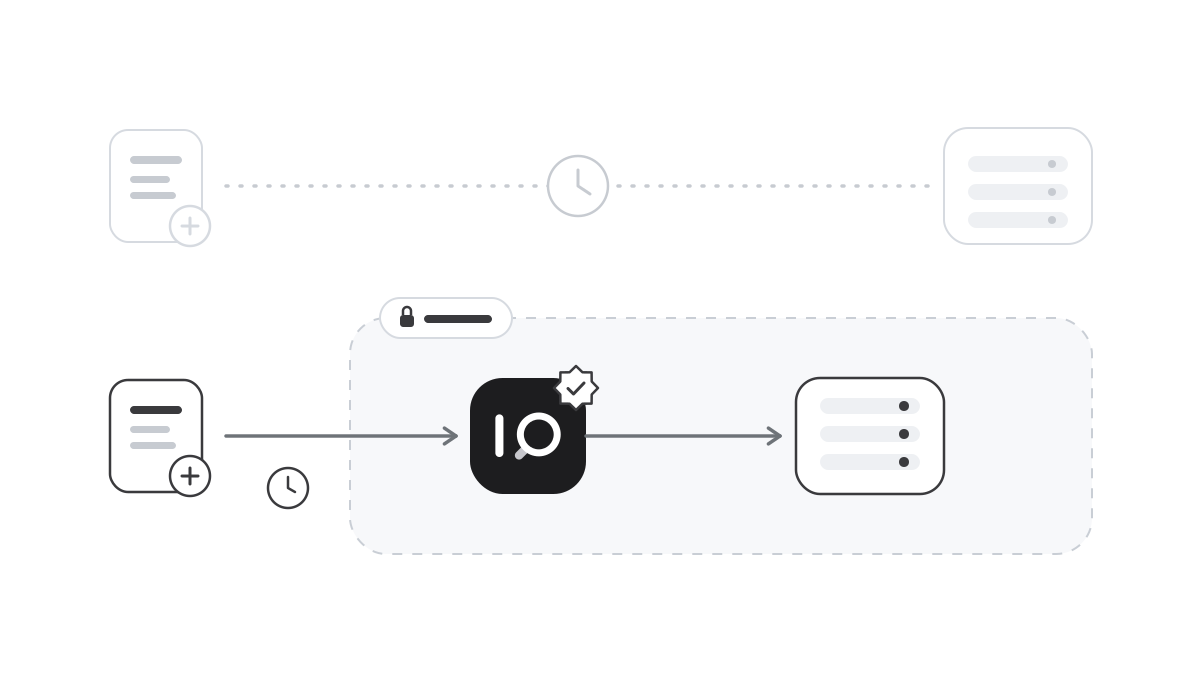
During 2026, AI models have become much better at searching through code and finding flaws that have been there for years. Software vendors use this to fix flaws before anyone else finds them. The same ability can also be used by someone who wants to break into a system. For an organisation, that means two things. There will be more security updates, and less time to install them.
What has changed
A security update also reveals where the flaw was. Getting from a published fix to a working attack used to take time and skill. In October 2026 the research organisation Epoch AI showed that an open model, which anyone can download, could do it for a widely used web browser. The model built working attacks from fixes that had been published but had not yet reached users.
The time between a fix becoming known and it being installed has therefore become a risk in itself. The UK’s NCSC urges organisations to raise their security baselines as the technology develops. The Swedish Security Service writes that more focus should go on the ability to detect, prioritise, contain and cut off intrusions quickly and then recover, and that the ability to detect intrusions matters more.
What it means for you
Start by knowing what you run. An inventory of all software and components, an SBOM, lets you see quickly whether a vulnerability affects you. Without one, valuable time goes on searching.
Then shorten the path from fix to installation. Decide in advance who approves an urgent update and how it is tested. Give priority to systems that can be reached from the internet. The more systems that can be updated automatically, the less security depends on someone finding the time.
An isolated environment protects against a great deal, but it also needs updating. Updates are brought in under control, and you then need to be able to trust that they come from the vendor and have not been altered on the way. Signed updates make it possible to check exactly that.
Finally, plan for something going wrong. Least privilege limits what an intrusion can reach. The Swedish Security Service recommends backups that are isolated and cannot be altered, so that they survive an attack.
Questions for your AI vendor
An AI tool is software like any other and needs the same care. Ask how quickly security updates arrive and how you are told about them. Ask whether there is an inventory of the components, including for the language model and the libraries it uses. Ask whether updates are signed and how they are installed in a fully isolated environment. Ask too how dependencies are chosen, locked and reviewed, as described in using open-source AI safely. A good answer is concrete and describes how it works today.
How it works in iSearch
iSearch ships with locked dependencies and an SBOM, a list of all components. Updates are signed, for fully isolated environments too. The whole chain can run on your premises, or we run it for you in Sweden.
A tamper-evident audit log shows who did what and can be connected to your security monitoring. Backups are encrypted and verified.
Read more about security in iSearch or book a walkthrough.
Sources: Swedish Security Service, the impact of AI models on cyber security (2026, in Swedish)Epoch AI, AI can turn security fixes into working exploits before users receive an update (2026)NCSC, Retaining defensive advantage in the age of frontier AI cyber capabilities (2026)
Want to see how it would work for you?
Tell us what you want to solve, and we’ll show you how iSearch can help.